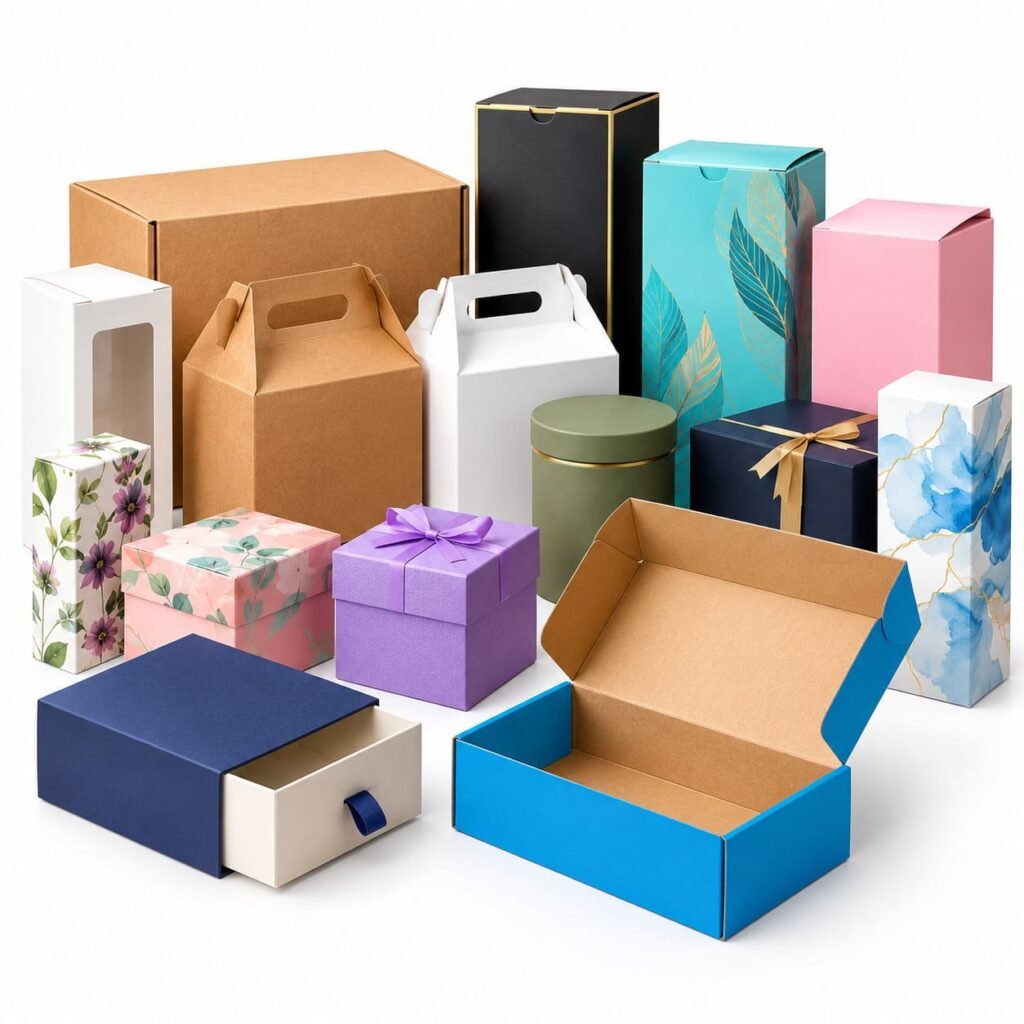
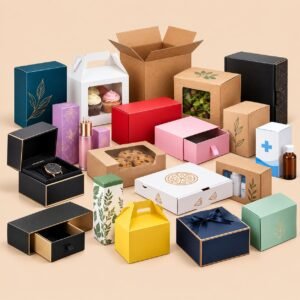



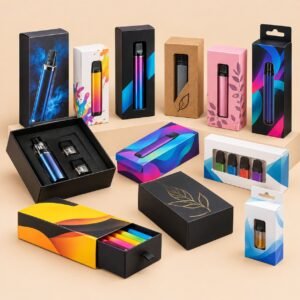

Before you commit to a full packaging run, it helps to see what you’re actually going to get.
At Customize Boxes UK, we provide mock-ups and prototype samples that let you review your packaging before production. Depending on your project, you can check the artwork, appearance, dimensions, structure or even how your product sits inside the box.
Sometimes a digital design is all you need. In other cases, getting a physical sample in your hands makes much more sense.
See Your Packaging Before Production
A packaging design can look great on a screen, but that’s only part of the picture. Once it’s folded, assembled and used with the actual product, small details can make a big difference.
A sample gives you the chance to look at those details before placing a larger production order.
You may want to check:
- Where the logo and artwork sit
- How the different panels work together
- Whether the box looks right from different angles
- Product dimensions and internal space
- How the packaging opens and closes
- Whether the product sits securely inside
- How the finished design feels in your hands
It’s a simple step, but it can save time when something needs changing.
Which Type of Packaging Sample Do You Need?
Not every project needs a physical prototype. The right choice comes down to what you want to check.
01 — Flat View Mock-up
A flat view shows the packaging artwork before the box is folded into shape.
It’s useful when your main concern is the design itself. You can look over the panels, artwork and text and make sure everything is where it should be.
Useful for:
- Artwork placement
- Panel layouts
- Text positioning
- Logo placement
- Colour and design checks
02 — 3D Packaging Mock-up
Want to get a better idea of how the finished box could look? A 3D mock-up gives you a more realistic view of the packaging once it’s assembled.
You can see the box from different angles and get a better feel for the overall presentation without producing a physical sample.
Useful for:
- Visual presentation
- Branding review
- Product presentation
- Client approval
- Internal sign-off
- Comparing design ideas
03 — Physical Prototype Sample
When the actual size and structure matter, a physical prototype is often the more practical option.
You’ll be able to handle the sample, put your product inside and see how the packaging works in real life. This can be especially helpful for bespoke boxes or packaging with a particular opening or internal structure.
Useful for:
- Checking dimensions
- Testing product fit
- Checking product placement
- Reviewing the box structure
- Testing opening and closing
- Assessing the overall packaging experience
Mock-up or Prototype: Which One Is Right?
Here’s a simple way to look at it:
| What you need to check | Suitable option |
| Artwork and layout | Flat View Mock-up |
| How the box could look | 3D Mock-up |
| Branding and presentation | 3D Mock-up |
| Product fit | Physical Prototype |
| Box dimensions | Physical Prototype |
| Structure and functionality | Physical Prototype |
If you’re not sure which route makes sense for your packaging, we can discuss your requirements before you decide.
Why Make a Physical Packaging Prototype?
A physical sample can show you things that aren’t always obvious in a digital design.
For example, the box might look perfectly sized on screen, but once the product is placed inside, you may find that there’s too much room or not enough clearance. You might also notice that an opening needs adjusting or that an insert would make the product sit more securely.
A prototype gives you the opportunity to spot these details early.
Check the Product Fit
Place the actual product inside the sample to see how it fits and whether it stays in the right position.
Review the Structure
Open, close and handle the box to make sure the construction works as expected.
Check the Dimensions
A sample gives you a physical reference for the size and proportions of the finished packaging.
Review the Presentation
Look at the box as your customer will see it. Check the artwork, branding and overall appearance once everything comes together.
Test the Customer Experience
Packaging isn’t just about protecting a product. The way it opens, feels and presents the product can also matter, particularly for retail and premium packaging.
How Does the Sampling Process Work?
Getting a mock-up or prototype doesn’t have to be complicated.
01 — Tell Us About Your Product
We’ll need the basic details, such as your product dimensions, packaging style, quantity and any specific requirements.
02 — Prepare the Design and Structure
The artwork and packaging structure are developed around your requirements. This may include the box dimensions, panel layout, folds and artwork placement.
03 — Create the Sample
Depending on what you need to review, we’ll prepare either a visual mock-up or a physical prototype.
04 — Review Everything
Take some time to check the design and packaging carefully. If it’s a physical sample, you can also test the product fit and how the box works.
05 — Move Forward With Production
Once you’re happy with the packaging specifications, the project can move towards production.
What Can You Check With a Packaging Prototype?
A physical sample can be useful for checking several parts of your packaging at once.
You can review:
- Internal and external dimensions
- Product clearance
- Product positioning
- Folding and assembly
- Box structure
- Closures and openings
- Inserts or internal components
- Artwork placement
- Overall presentation
This is particularly helpful when you’re creating bespoke packaging rather than using a standard box size.
Do You Need a Dieline?
If you’re developing custom packaging, the dieline is an important part of the process.
It provides the technical layout needed to position artwork correctly across the packaging panels. It can show cut lines, fold lines and the different sections that make up the box.
If you need the technical layout prepared for your packaging design, you can also explore our dieline design service.